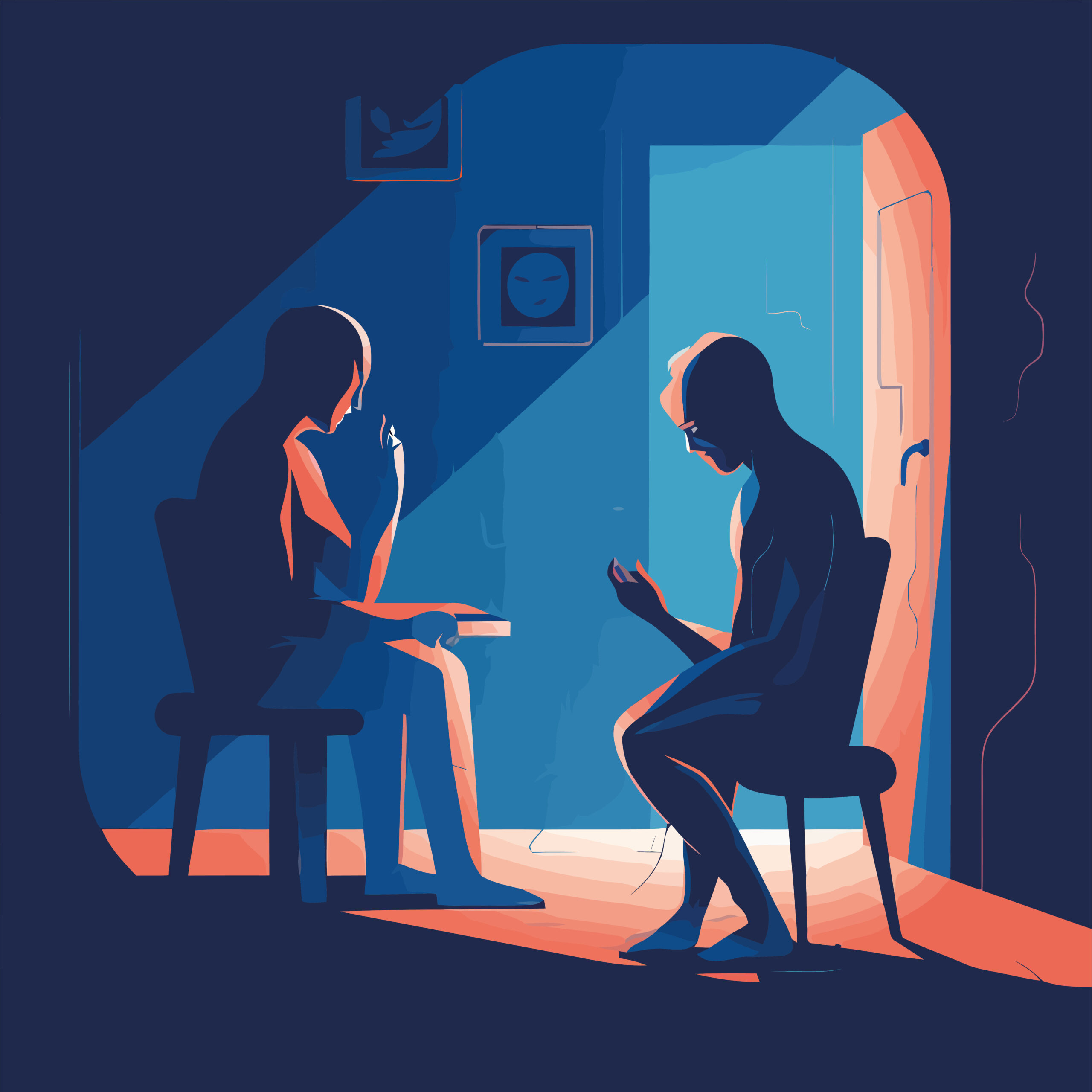
If you have ever met someone who seems unusually skilled at understanding people, yet something about them leaves you uneasy, you are not alone. Many people describe this unsettling contradiction as their first encounter with a dark empath. It is a term that has gained attention because it captures a personality pattern that doesn’t fit neatly into “kind” or “cruel.” Instead, it brings emotional insight into behaviors that can quietly chip away at your confidence or boundaries.
Unlike the typical notion of an empath, who absorbs others’ feelings and often feels overwhelmed by them, a dark empath uses emotional awareness in a more calculated way. They notice things about you that most people miss: the shift in your tone, the discomfort you hide, the insecurities you rarely speak about. But instead of using that sensitivity to support you, they may use it to gain leverage. It is this combination of emotional intelligence without emotional responsibility that makes the concept so compelling, and sometimes, so concerning.
Understanding what a dark empath actually is matters because these individuals don’t reveal their intentions in obvious ways. They can be charming, attentive, and even genuinely helpful at times, which is why many people fail to recognize the pattern until they are already tangled in it. And as you read through this blog, you will get a clear idea of what defines a dark empath, the traits that set them apart, and the early signs that can help you protect your peace before things become complicated. If you want more insights, you can read our ebook to help you rise emotionally.
Source: Freepik
What Is a Dark Empath?
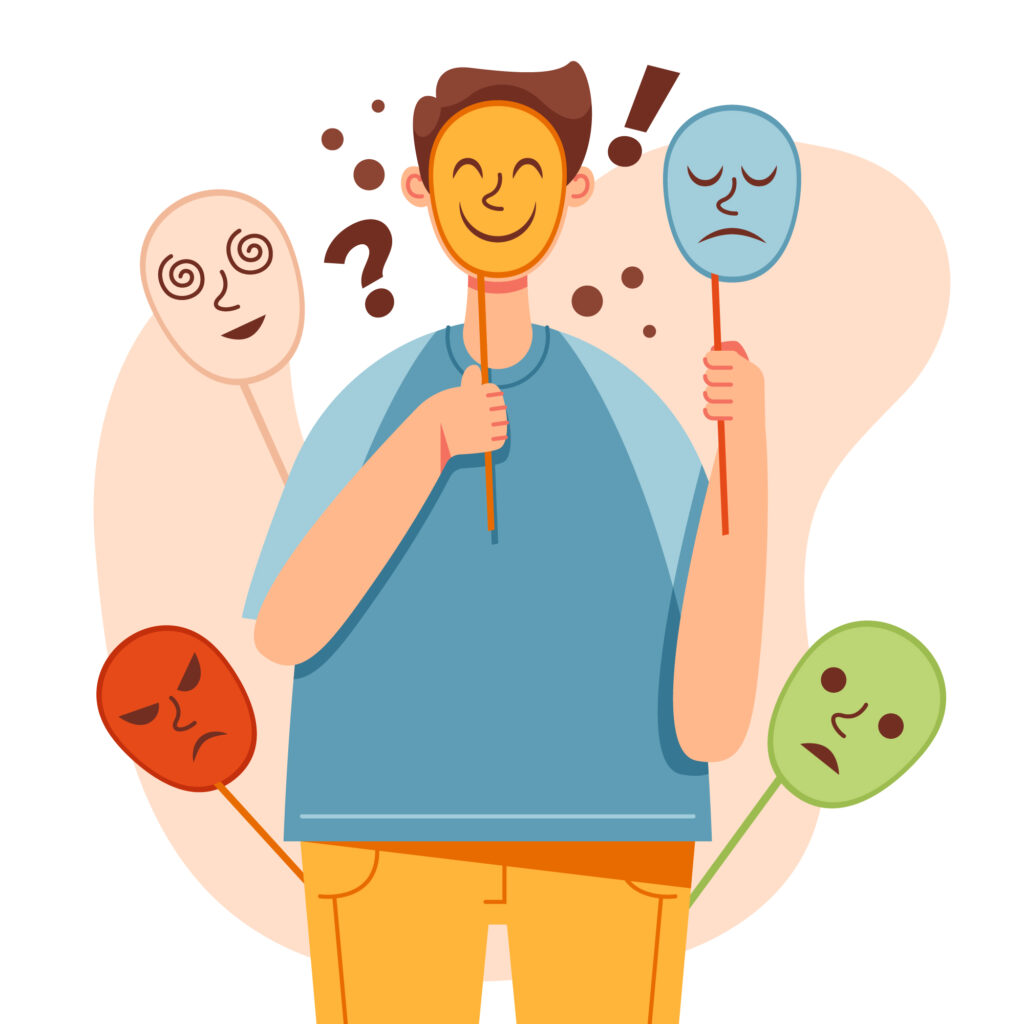
A dark empath is someone who understands emotions deeply but doesn’t always feel them in a way that guides compassionate behavior. They often possess the ability to read expressions, interpret tone, notice discomfort, and grasp what someone is going through, but they don’t necessarily share the emotional experience. This difference matters because it means they can recognize your feelings without being moved by them in the way a caring empath would be.
The idea of a dark empath is a descriptive term used by psychologists and researchers to explain a pattern of traits that sit between empathy and the darker side of personality psychology. These individuals can blend traits found in concepts like the “dark triad” with strong social awareness. That mix can create a person who is perceptive yet unpredictable, someone who understands emotional boundaries but may choose to cross them when it benefits them.
In everyday situations, a dark empath is often the person who comes across as emotionally intelligent and socially skilled. They listen well, respond thoughtfully, and may even seem incredibly supportive. But their empathy doesn’t always come from a place of genuine care. Instead, it can function more like a tool, something they use to navigate social situations, form bonds quickly, or gain influence. This doesn’t automatically make them harmful, but it does create a dynamic where intentions can be hard to read, and trust becomes complicated.
When you understand what a dark empath truly is, you are better equipped to recognize the subtle patterns that follow. That awareness is the first step toward noticing the traits that often distinguish them from others.
4 Core Traits of a Dark Empath
Emotional Insight Without Emotional Investment
Dark empaths often excel at reading people.
They can interpret subtle cues, sense tension, and understand what someone is feeling with surprising accuracy. But unlike genuine empaths, this emotional awareness doesn’t always translate into compassion. Instead of being moved to comfort or support, they may simply note the emotion and decide how to respond based on what benefits them most. This ability to disconnect understanding from feeling creates a unique kind of emotional distance.
Social Intelligence That Feels Disarming
Many dark empaths are naturally charming.
They communicate smoothly, adapt easily to different personalities, and tend to make strong first impressions. This social ease is an intuitive understanding of how to present themselves in a way that earns trust quickly. For some, this skill is harmless. For others, it becomes a strategic way to gain influence or maintain control in relationships without appearing forceful.
Strategic Thinking Rooted in the Dark Triad
Traits associated with narcissism, machiavellianism, and low emotional sensitivity can blend with empathy in surprising ways.
Dark empaths might use their insight to anticipate reactions, steer conversations, or subtly shape outcomes. They don’t need to be manipulative in an overt or malicious way, their strategy is quiet and calculated. What makes this trait difficult to spot is that it hides behind emotional fluency, making their motives hard to pin down.
Kindness That Feels Purposeful Rather Than Genuine
A dark empath’s warmth can feel real, but it often has direction.
Their helpfulness might arrive at convenient moments, their apologies may feel polished, and their support might come with an unspoken expectation. This doesn’t mean every kind gesture has a hidden agenda, but it does mean their empathy sometimes functions more like a tool than a natural emotional response. People often describe it as kindness that feels slightly “too controlled,” like it is shaped to produce a particular outcome.
Warning Signs Someone Might Be a Dark Empath and Why it is Dangerous to be Around One?
They Understand Your Vulnerabilities Too Quickly
Most people slowly earn access to your inner world, but a dark empath may pick up on your insecurities almost instantly.
They observe microexpressions, tone shifts, hesitations, and the way you react to certain topics, and they piece together a surprisingly accurate emotional profile of you. What is unsettling is that you may feel deeply “seen” before you have had the chance to set boundaries. Their insight can be comforting at first, almost like you have finally found someone who just gets you. But later, you might wonder how they learned so much without you ever saying it aloud.
Their Support Feels Selective and Convenient
Dark empaths are often capable of showing real warmth, but it tends to appear at moments that serve their interests, when they want to win back trust, smooth over tension, or pull you closer emotionally.
They know how to show the exact type of empathy that earns your gratitude, yet when you need them during a difficult or inconvenient moment, they may become distant, impatient, or strangely unavailable. Over time, you might notice a pattern: their “kindness” arrives on their schedule, not yours.
You Feel Drained or Mentally Foggy After Interactions
A key sign is not how you feel during the interaction, but afterward.
Dark empaths rarely resort to overt manipulation; instead, the influence is subtle. They might phrase things in a way that makes you doubt your memory, soften your boundaries, or shift blame toward yourself without realizing it. You leave conversations feeling guilty, confused, or unsure of where you stand, even though nothing explicitly aggressive happened. This emotional fog is often the residue of someone who knows exactly how to steer your feelings.
They Switch Between Warm and Cold With Ease
Their emotional consistency can feel unpredictable.
One day, they are affectionate, attentive, or deeply invested in your well-being. Next, they are detached or uninterested, as if the emotional connection never happened. This shift isn’t always malicious; sometimes it is simply how they operate. But for the people around them, this hot-and-cold rhythm creates an unsteady dynamic that keeps you trying harder to regain their love and attention. That imbalance is often where their influence quietly grows.
They Mirror You a Little Too Perfectly
Dark empaths are skilled at emotional mirroring, matching your tone, interests, values, or vulnerabilities to build rapid closeness.
But with them, the mirroring can feel too precise. They may adopt your humor, mimic your communication style, or express beliefs that align suspiciously well with your own. It doesn’t feel like natural compatibility; it feels crafted. This can create a sense of intense connection early on, making it harder to recognize red flags later, because they have shaped themselves into someone who feels safe, familiar, and easy to trust.
Dark Empaths: Should You Protect Yourself and How?
- Trust your gut feelings. Your intuition is often the first sign that something isn’t right, even if you can’t immediately put it into words. If you consistently feel uneasy, confused, or emotionally drained after interacting with someone, pay attention to those feelings. They are valid signals that deserve your attention.
- Set and maintain clear boundaries. Being firm about what you will and won’t accept protects your emotional well-being. Dark empaths may push your limits to test how much control they have. Clearly communicate your boundaries, and don’t hesitate to reinforce them if they are crossed. Consistency is crucial; wavering can invite more boundary testing.
- Watch for patterns, not isolated incidents. Everyone has off days or makes mistakes, so don’t jump to conclusions based on one confusing or hurtful moment. Instead, notice if behaviors like manipulation, selective kindness, or emotional inconsistency happen repeatedly. Patterns reveal true intentions over time.
- Limit how much personal information you share. Vulnerabilities can be powerful tools in the hands of a dark empath. Protect yourself by pacing how much you disclose about your fears, insecurities, and personal struggles. Sharing too quickly or too much gives them emotional material they might use to influence or control you.
- Keep relationships balanced and reciprocal. Healthy relationships involve mutual respect and emotional exchange. If you find that you are constantly giving support, time, or emotional energy without receiving the same in return, that imbalance is a warning sign. Don’t be afraid to step back and evaluate whether the relationship is truly healthy.
- Seek outside perspectives. Sometimes it is hard to see manipulation from the inside. Trusted friends, family members, or mental health professionals can provide objective views on your situation. Sharing your experiences can help you validate your feelings and make informed decisions.
- Practice self-care. Dark empaths often chip away at their targets’ self-esteem to increase control. Counteract this by prioritizing activities and relationships that make you feel valued and strong. Building your emotional resilience helps reduce their influence.
- Be prepared to distance yourself if needed. Protecting your mental health sometimes means stepping away, even from people who once felt close. If the relationship consistently drains you or harms your well-being, don’t hesitate to create distance. It could mean limiting contact, setting stricter boundaries, or ending the relationship altogether.
Takeaway
Dark empaths are complex personalities who combine the ability to understand others’ emotions with behaviors that can sometimes be manipulative or self-serving. Because their empathy is often used strategically rather than genuinely, it can leave those around them feeling confused, drained, or uncertain.
The best way to protect yourself is by staying aware of the warning signs, trusting your instincts, and setting firm boundaries to maintain your emotional health.
To help you better understand these dynamics, you can take our helpful quiz designed to reveal emotional patterns and also read our insightful ebook that dives deeper into recognizing and managing these challenging personality traits. These tools offer valuable guidance to support your emotional well-being.